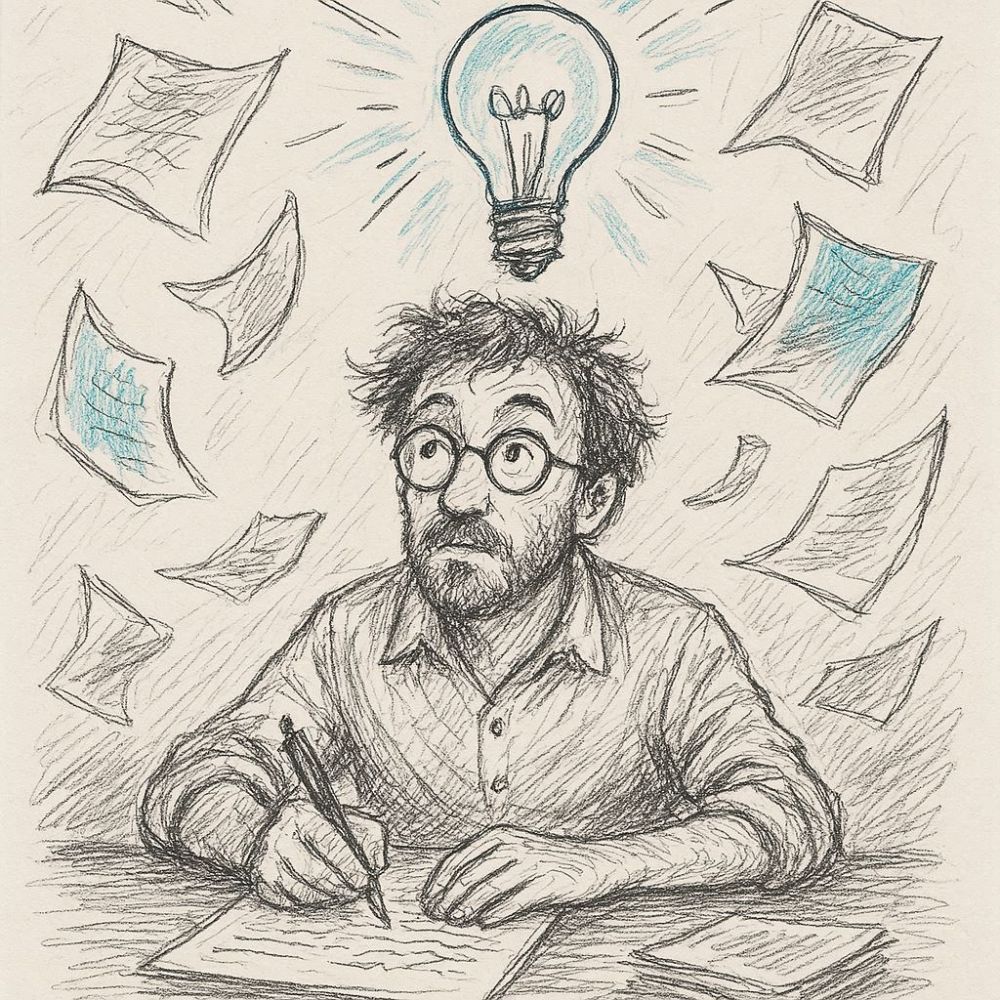
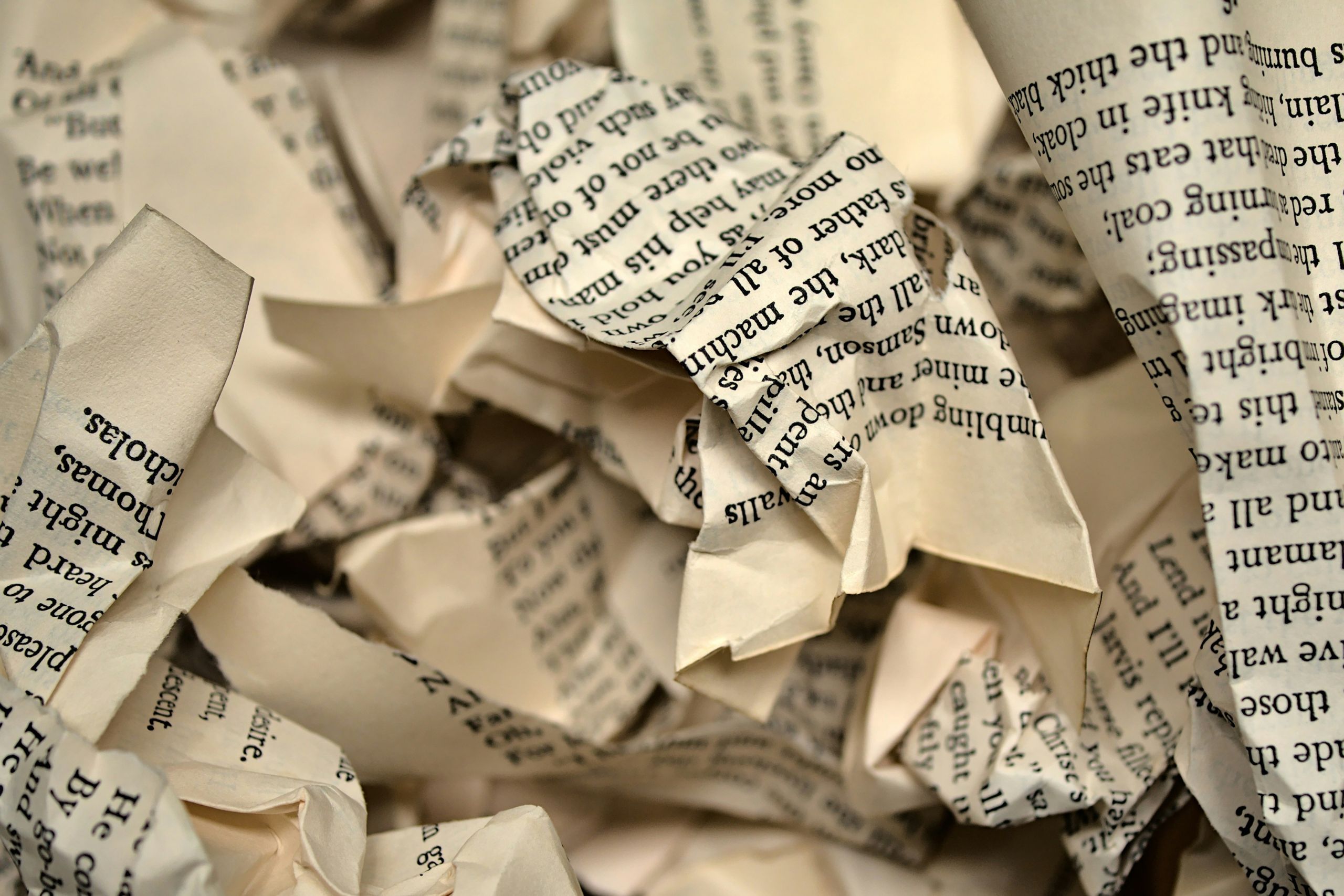
If you pick up a masterpiece from Chekhov, or Hemingway or Austen, your eye might fall on a beautifully constructed sentence that just perfectly encapsulates an idea you recognise but have never seen put into words. A nuanced diamond of insight… poetic and profound… …that just… …effortlessly flowed from heaven though the pen onto the page and still resonates for the reader centuries later.
That’s when it is all too easy to simply put the book back down and say
“Wow! Now THAT is writing… I’ll stick to the day job…”
But what you’re seeing is the highlights reel. A lifetime of work distilled to its finest moments.
Even the greatest writers are human. They produce messy drafts, false starts, and awkward sentences. The difference is that they keep the tape running until they find brilliance—and then the rest? Leave it out.
The illusion of effortless brilliance
Watch a montage of Beckham’s free kicks, Bale’s screamers or Kobe Bryant’s clutch shots. You see magic. But behind that five-minute reel are years of missed shots, ugly losses, and hours of unglamorous practice.
Writing is the same. Stephen King famously says that amateurs wait for inspiration while pros sit down and get to work. Steven Pressfield, in The War of Art, calls it “turning pro.”
I’m no superstar on the basketball court, the football field, or any other domain really(!)
But if you leave the tape running, and let me shoot my shots, then eventually my speculative half-court 3 pointer flies “Effortlessly” through the net, my 75th or 77th lunge at the football results in the ball flying… …curling and dipping and clipping perfectly in off the far post.
Any one of us who has played pool has at some point watched – mesmerised and astonished – as we sink a length-of-the-table shot that doubles off the far cushion and elegantly drops into the bottom right corner pocket – just like we ‘intended’ but had no idea we were actually capable of executing.
Just another example of our output far exceeding our talents! In any number of fields we perform far better than we believe we have any right to expect.
The work doesn’t need to feel magical to be valuable. What matters is showing up, building the raw material, and trusting that some of it will shine.
Through persistence and wise editing, polishing and refining we are all capable of elevating our work unrecognisably.
The magic of the studio
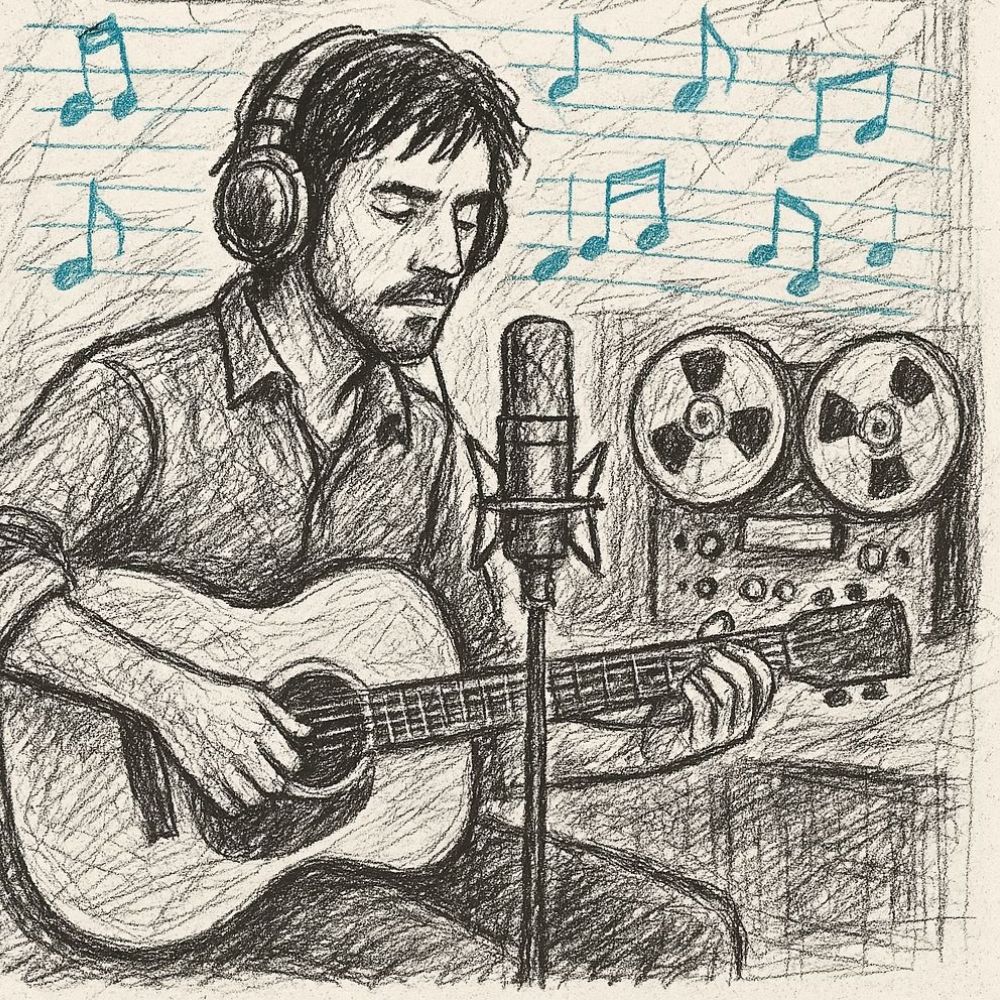
Studio musicians all have a huge edge: the studio.
Ask me to perform a song live and sometimes it might soar – other days – not so much. I strive and I might hit the note some days and others not, even within the same performance there might be wobbles… it doesn’t matter.
I’ll work it until it ALL sounds great.
In the studio I can clip out bum notes, re-record tricky solos, and polish every moment until it lands.
The studio recording is the raw material, not the finished article. The remastered radio edit is the highlights reel.
Writers have the same luxury.
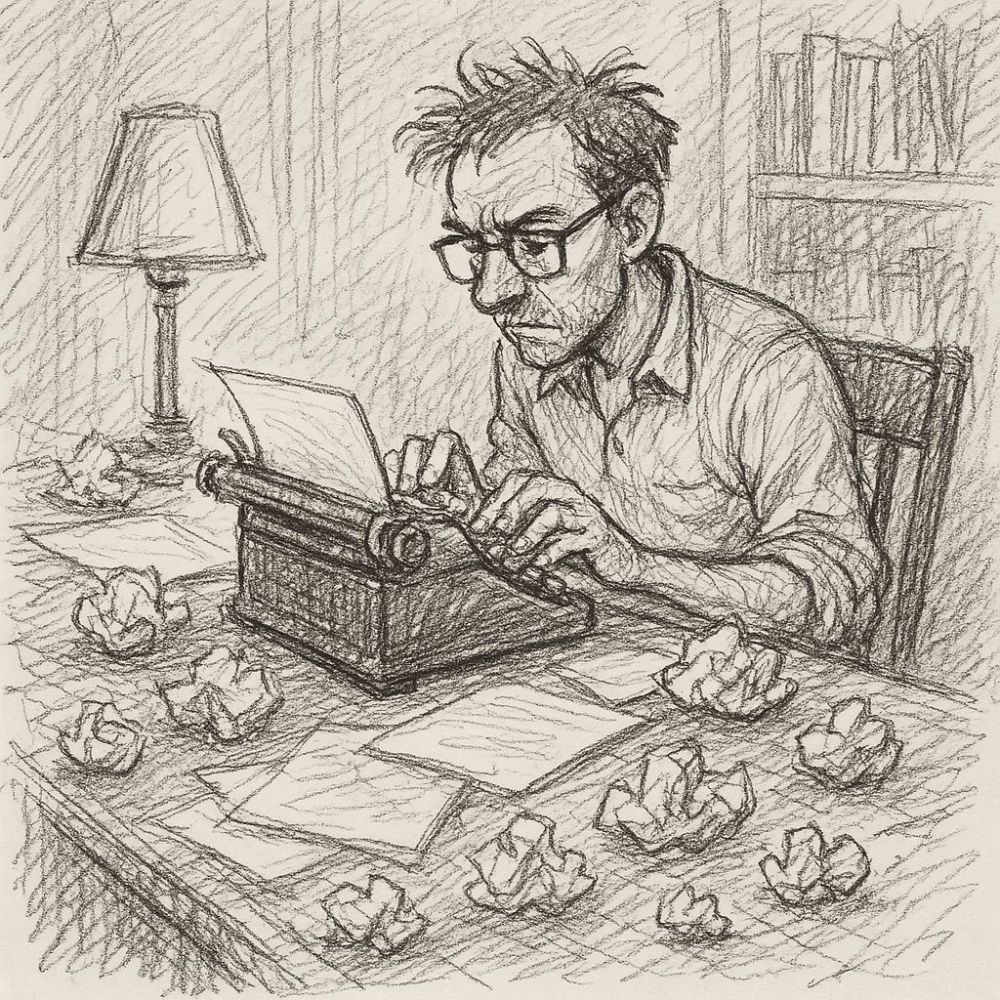
We can add, remove, and rewrite – even word by word – until the final version looks effortless.
When we publish our work, the transcendent moments are all that anybody sees. Not the clunky half-rhyming abortive verses, the saccharine embarrassing banal sentiments we clumsily dollop onto the page, all that clunky artificial preachy dialogue our characters come out with. That goes in the bin. Nobody knows about that. we only show off the good stuff.
Keep the tape running
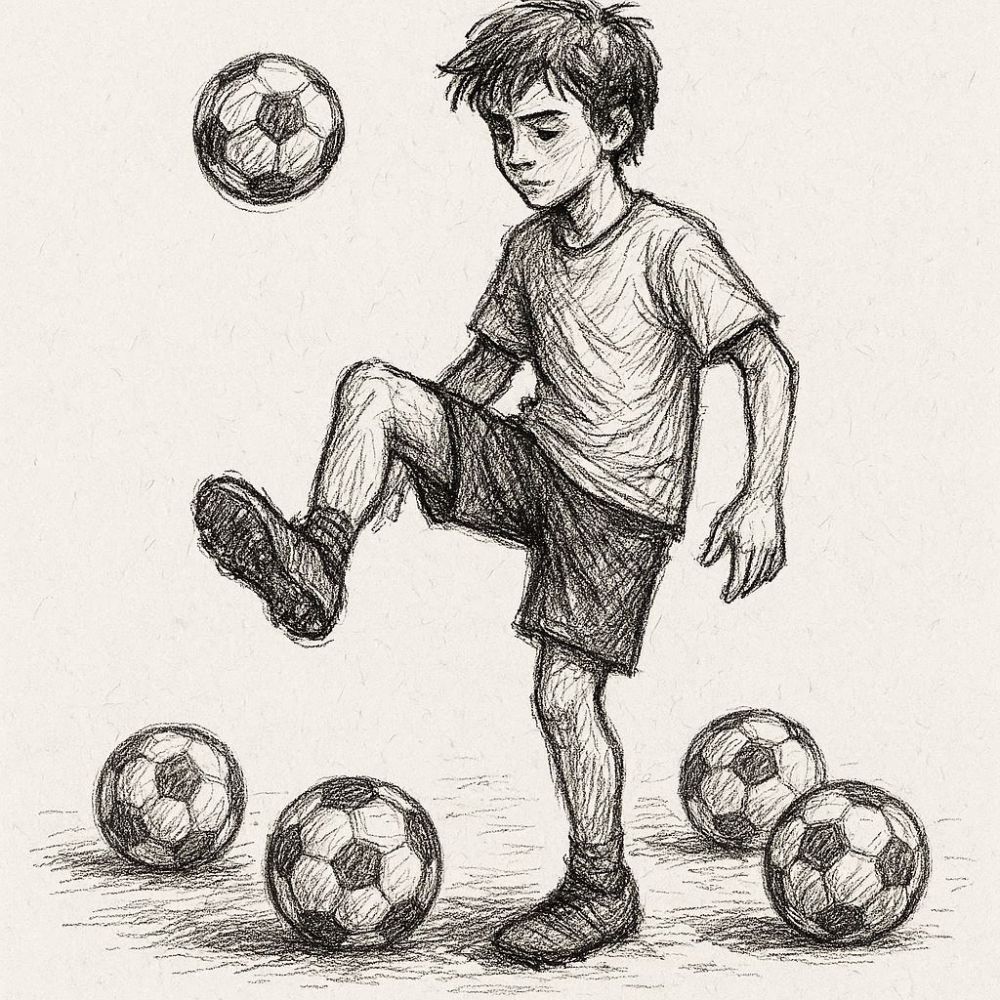
If you can perform one keepy-uppie with a football then you can perform 2. If you can perform 2 then you can perform 3. Keep the tape running and there’ll be a moment – more luck than judgement, perhaps – when you produce 100 in a row, where a mere clubber like you or I connects just right… …and hits a home run. That’s what goes in. You don’t show all of the misses. Keep swinging.
The same is true for sentences, paragraphs, and pages. The more you practice, the luckier you get, and the less material you scrap.
But when Steven Pressfield urges us to sit down and do the work, overcome resistance, and engage once again in the war of art, he isn’t asking us to keep practicing until we eventually ad-lib an ‘Uncle Vanya’ or a ‘Pride and Prejudice’.
All he is asking us to do is mine enough raw material to string together a highlights reel.
Because when the book is finished, readers will only see the clean strikes, the perfect notes, the shining sentences. Not the outtakes.
The first draft is invisible
Every artist benefits from the same unfair advantage as the studio musician:
Nobody sees us miss. They only see us score.
So keep swinging. Keep the tape running. Do the work. Moments of magic will come. And when they do, it will look effortless.